
Get Toxic Lead Removal in Dutchess County, NY
Toxic lead removal services help Dutchess County property owners eliminate lead-based paint hazards in homes, schools, and renovation projects for safer living environments.
If you suspect that your property in Dutchess County, NY, may be affected by lead-based paint or lead hazards, exploring professional removal options is an important step. Property owners often consider lead removal when planning renovations, preparing for property sales, or ensuring a safe environment for families and residents. Comparing local contractors who specialize in lead hazard control can help you find solutions tailored to your specific needs, giving you peace of mind that the work will be handled thoroughly and responsibly.
Understanding the available services and choosing the right local contractors for lead removal can make a significant difference in maintaining property safety and compliance. This process involves evaluating the experience and approaches of nearby specialists to find a reputable provider capable of addressing your concerns effectively. Keep reading to learn more about how local service providers can assist with your lead removal project and help ensure your property remains a safe and healthy space.
- Toxic Lead Removal - needed when older homes in neighborhoods of Dutchess County, NY show signs of peeling paint or lead dust.
- Lead Paint Abatement - required during renovations or repairs in historic buildings within Poughkeepsie or Hyde Park.
- Lead Hazard Control - necessary if children or pregnant women are exposed to lead dust in residential areas of Dutchess County.
- Lead Contamination Cleanup - essential after discovering lead in soil or water sources near homes in Beacon or Fishkill.
- Lead Inspection and Testing - recommended when purchasing a property in Dutchess County to identify potential lead risks before move-in.
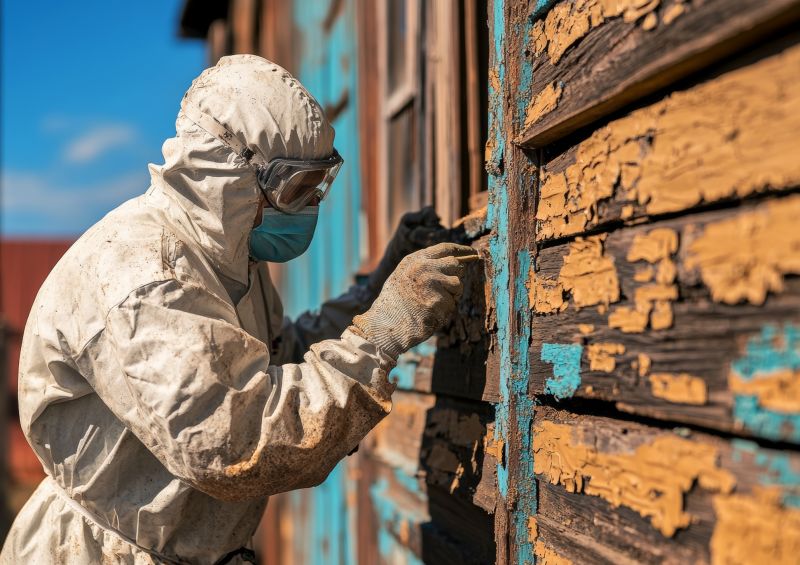
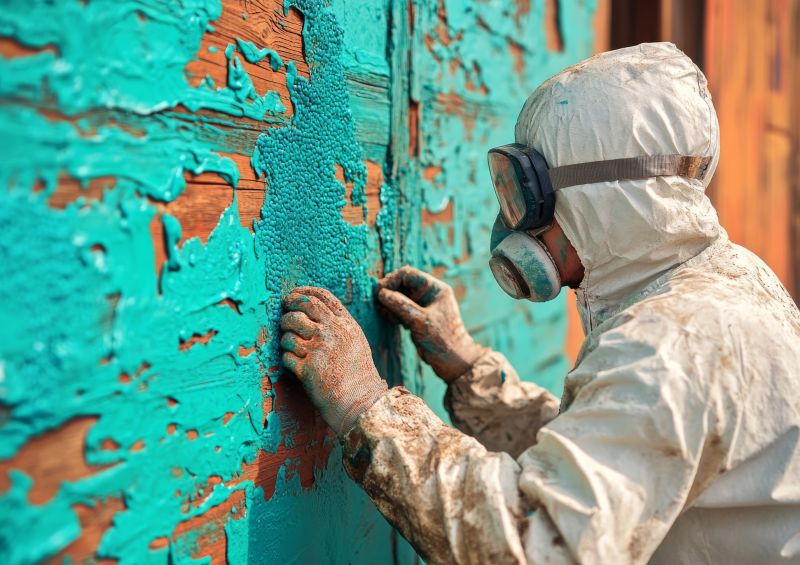
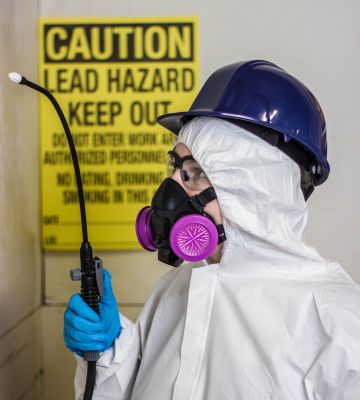
Toxic lead removal services focus on identifying and safely eliminating lead-based materials from residential properties. This process typically involves thorough inspections to locate sources of lead, such as old paint, pipes, or fixtures, and then employing specialized techniques to remove or contain the hazardous substances. The goal is to reduce the risk of lead exposure, which can pose serious health concerns, especially for young children and pregnant women. Professional service providers use industry-approved methods to ensure that lead is effectively removed or stabilized, helping to create a safer living environment.
Many problems that lead removal services help address stem from deteriorating or disturbed lead-based materials. For instance, peeling or chipping paint on older walls can release dangerous lead dust into the home. Similarly, lead pipes can contaminate drinking water if not properly managed. Homes that have undergone renovations or repairs may inadvertently expose lead hazards if proper precautions are not taken. These issues can lead to elevated blood lead levels, causing health problems such as developmental delays, learning difficulties, or other serious conditions. Lead removal services provide a practical solution to mitigate these risks and maintain a healthier home environment.
Properties that often require lead removal services include older homes built before the 1978 ban on lead-based paint, especially those undergoing renovations or repairs. Multi-family buildings, rental properties, and historic residences are common candidates for lead hazard control. Additionally, homes with visible signs of paint deterioration or plumbing that dates back to earlier construction periods may benefit from professional lead abatement. These services are essential for homeowners, landlords, and property managers who want to ensure their buildings meet safety standards and protect the health of occupants.
Homeowners and property owners in areas with older construction often turn to lead removal services when they notice issues like peeling paint, rusted pipes, or after conducting renovation work. If a property has high levels of lead detected through testing, professional removal becomes a necessary step. Lead removal services are designed to address these specific problems by safely removing or encapsulating hazardous materials, reducing the risk of exposure. Contacting experienced local contractors can help determine if lead abatement is needed, providing peace of mind and a safer living space for everyone.
The overview below groups typical Toxic Lead Removal projects into broad ranges so you can see how smaller, mid-sized, and larger jobs often compare in Dutchess County, NY.
In many markets, a large share of routine jobs stays in the lower and middle ranges, while only a smaller percentage of projects moves into the highest bands when the work is more complex or site conditions are harder than average.
Smaller Repairs - Typical costs for minor lead removal projects, such as patching or sealing small areas, range from $250 to $600. Many routine jobs fall within this middle range, with fewer projects reaching the higher end of the spectrum. Local contractors often handle these efficiently and affordably.
Partial Removal - For partial removal of lead-based paint or contaminated materials, costs usually range from $1,000 to $3,000. Larger, more involved projects can exceed this range, especially in older buildings with extensive lead hazards. Many service providers can tailor solutions based on the scope of work.
Full Lead Replacement - Complete removal and replacement of lead-affected surfaces typically cost between $4,000 and $8,000. Larger or more complex projects, such as in multi-story buildings, may go beyond this range. These jobs are less common but are handled by experienced local contractors.
Major Remediation Projects - Extensive lead removal efforts, including entire building abatement, can cost $10,000 or more. Such large-scale projects are less frequent and often involve detailed planning and specialized equipment. Local professionals can provide estimates based on specific project needs.
Actual totals will depend on details like access to the work area, the scope of the project, and the materials selected, so use these as general starting points rather than exact figures.
Asbestos Abatement Projects - these involve the removal and containment of hazardous materials, similar to lead removal, requiring specialized planning and safety measures handled by local contractors.
Home Renovation & Remodeling - renovation projects often require lead paint assessments and removal, making them relevant for service providers experienced in hazardous material abatement.
Industrial Cleanup Services - industrial sites may have lead or other toxic substances requiring careful removal and disposal, utilizing similar skills and tools as lead removal professionals.
Radiation & Contaminant Remediation - these projects involve cleaning and decontamination of hazardous substances, paralleling the processes used in toxic lead removal efforts.
Old Building Demolition - demolishing older structures often uncovers lead-based paints and other hazards, requiring careful planning and hazardous material handling by local contractors.
Soil Remediation Projects - contaminated soil cleanup involves identifying and removing toxic substances, similar to lead removal techniques used in residential and commercial settings.
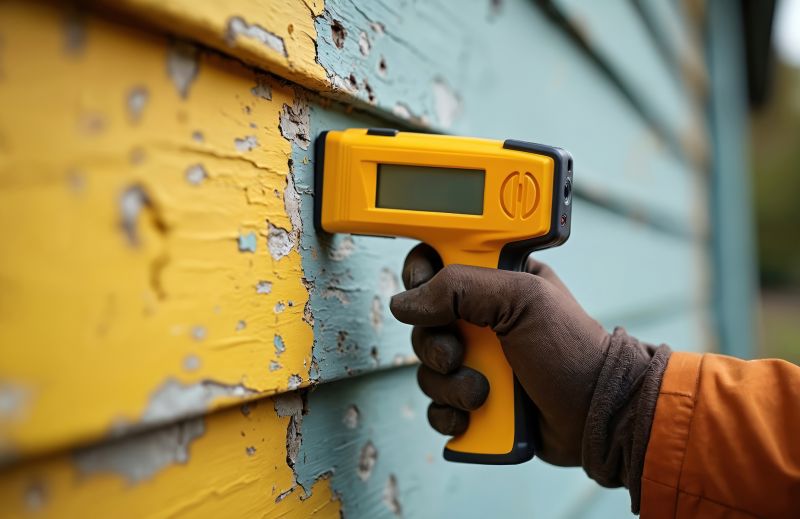
When evaluating service providers for Toxic Lead Removal, it is important to consider their experience with similar projects within the local area. Homeowners should seek out contractors who have a proven track record of successfully completing lead removal jobs in environments comparable to their own homes. This experience can provide insight into the contractor’s familiarity with local regulations, common challenges, and effective removal techniques specific to the region. Asking for details about past projects or examples of completed work can help establish confidence in their ability to handle the job effectively.
Clear, written expectations are essential when comparing local contractors for lead removal services. Homeowners should request detailed descriptions of the scope of work, including the methods used, safety precautions, and what the process entails. Having this information in writing helps prevent misunderstandings and ensures that everyone is aligned on what the project will involve. It also allows homeowners to compare proposals more accurately, making it easier to identify which service providers are transparent and thorough in their communication.
Reputable references and strong communication skills are key indicators of a reliable lead removal contractor. Homeowners are encouraged to ask for references from previous clients who can speak to the contractor’s professionalism, quality of work, and adherence to safety standards. Additionally, responsive and clear communication throughout the inquiry process can reflect the contractor’s dedication to customer service and their ability to keep clients informed. While the site introduces homeowners to local options, it is important to remember that the actual work is handled by trusted service providers in the area who can be evaluated based on these criteria.
Property owners in Dutchess County, NY use Toxic Lead Removal services for practical projects around their homes and businesses. This guide focuses on everyday jobs and straightforward project options.
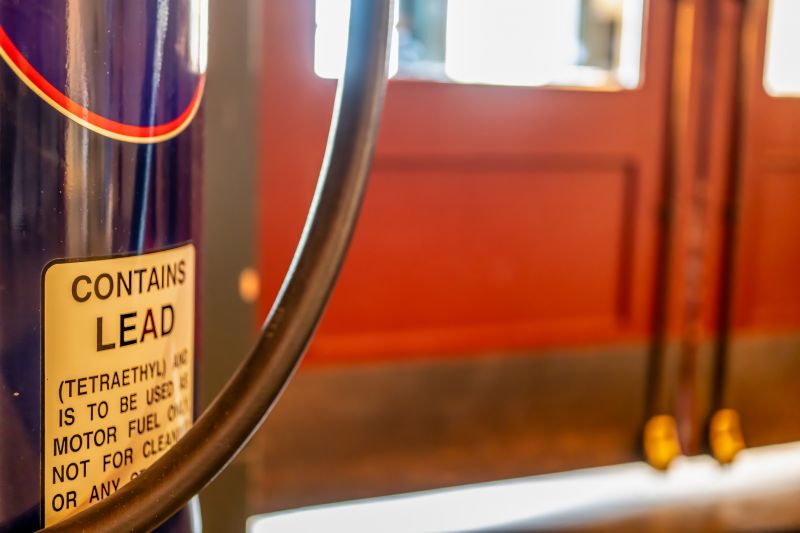
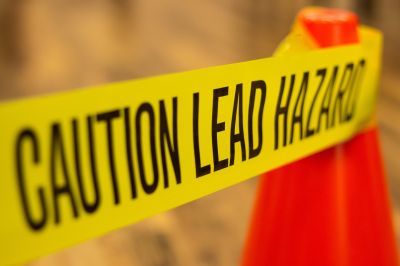
Toxic lead can pose serious health risks for property owners in Dutchess County, especially in older homes built before lead-based paint was phased out. Homeowners may notice peeling or chipping paint, or they might be preparing for renovations and want to ensure the environment remains safe during the process. Local contractors experienced in lead removal can assess the situation and provide effective solutions to eliminate hazardous lead sources, helping residents maintain a healthier living space.
In many cases, property owners seek lead removal services when planning to sell a home or during routine inspections. Older buildings in Dutchess County often contain lead-based paint that requires careful handling to prevent contamination. Local service providers can assist with safe removal or encapsulation, reducing potential exposure and ensuring the property complies with safety standards. Connecting with experienced lead removal specialists can make the process smoother and help protect families and future occupants.
What is involved in removing toxic lead from a property? Local contractors typically assess the extent of lead contamination and use specialized methods to safely remove or encapsulate lead-based paint and debris, ensuring the property is safer for occupancy.
Are there different methods for lead removal depending on the property type? Yes, depending on whether the property is residential or commercial, as well as the condition of surfaces, service providers may use techniques such as abatement, encapsulation, or removal to address lead hazards.
How can I tell if my property has lead-based paint or contamination? Professionals can perform inspections and testing to identify the presence of lead-based paint or lead dust, which are common indicators of lead hazards in older buildings.
What safety precautions do local contractors take during lead removal? Service providers follow strict safety protocols, including containing work areas, using protective gear, and proper disposal methods to prevent lead dust from spreading during the removal process.
How do local lead removal services ensure compliance with regulations? Contractors adhere to local and federal guidelines for lead hazard control, ensuring that all removal and disposal practices meet safety and legal standards.
Identify lead hazards in older homes - property owners can have local contractors assess their homes for potential lead risks before renovation or sale.
Schedule testing for lead in drinking water - homeowners can arrange for local service providers to test and address lead contamination in household water supplies.
Plan for safe lead paint removal - residents planning to remodel can consult local pros to safely eliminate lead-based paint from surfaces.
Implement ongoing lead safety measures - property owners can work with local contractors to maintain a lead-safe environment through regular inspections and precautions.
If you are thinking about Toxic Lead Removal for a property in Dutchess County, NY, this guide is meant to help you understand the work, the typical project types, and how different options might fit your plans.
When you are ready, you can use the quote form on this page to share a few details about your project. From there, local pros can review the basics and respond with options that match what you have in mind.